

Independent pocket springs, as a core support component of mattresses, sofas, and other upholstered furniture, have become a standard feature in high-end upholstered furniture due to their advantages of independent support, quiet operation, and conforming to the human body's curves. Their production relies entirely on automated precision equipment, undergoing multiple rigorous processes including raw material selection, spring molding, heat treatment, pocket packaging, and bed frame assembly. Each step involves precise control of process parameters, laying a solid foundation for product quality. The following is a detailed explanation of the complete manufacturing process.
I. Raw Material Selection and Quality Inspection: Building the First Line of Defense for Quality
High-carbon manganese steel wire is prioritized in production. This material possesses excellent elasticity, toughness, and resilience, and is not easily deformed or collapsed during long-term use, making it a core raw material for high-quality independent pocket springs. Upon arrival, the steel wire undergoes a rigorous full-scale quality inspection process. Professional equipment is used to test indicators such as wire diameter, tensile strength, yield strength, and rust resistance, eliminating defective raw materials and ensuring that every roll of wire meets production standards, thus preventing potential quality issues from the outset.
II. Precision winding and molding of springs
The fully automated CNC spring winding machine precisely delivers qualified steel wire to the machine's workstation. Parameters such as spring diameter, number of turns, height, and pitch are preset by computer to achieve automated spring winding. During the winding process, the machine maintains precise speed control and positioning throughout, ensuring that each spring is of consistent size and has a uniform spiral, free from problems such as misaligned coils, loose coils, or broken wires. The finished springs are standard cylindrical/drum-shaped, possessing a stable support structure that lays the foundation for subsequent packaging.
III. Heat treatment and shaping: enhancing elasticity and durability
The wound springs need to undergo a continuous heat treatment furnace for high-temperature quenching and tempering. By precisely controlling the heating temperature, holding time, and cooling rate, the internal stress generated during the wire winding process is eliminated, the internal crystal structure of the steel is optimized, and the spring's elastic limit, fatigue strength, and resistance to deformation are significantly improved. After heat treatment, the springs have more durable resilience, do not weaken or fail under long-term pressure, and can withstand tens of thousands of reciprocating compressions while maintaining stable performance.
IV. Rust-proof areas on the spring surfacereason
To extend the lifespan of springs and prevent rusting after prolonged use, electrostatic powder coating/electrophoresis is applied to the heat-treated springs for rust prevention. A dense, uniform rust-preventive coating is applied, exhibiting strong adhesion, oxidation resistance, and corrosion resistance. This coating effectively isolates the springs from air and moisture without affecting their elasticity, thus significantly extending their lifespan and making them suitable for long-term home use.
V. Individually packaged in cloth bags: Precise control of core processes
1. Bag material preparation: High-toughness, high-breathability, and tear-resistant non-woven/cotton fabric is selected as the bag body material. The fabric has the required tensile strength, is not easily damaged, is suitable for spring expansion and contraction, and is also environmentally friendly and odorless.
2. Fabric bag forming and tension control: The upper and lower layers of fabric are tensioned synchronously through the fabric pulling mechanism. The tension is monitored and dynamically adjusted in real time by the tension sensor, so that the compression rate is kept stable at 70%-80% when the spring is pushed in, avoiding excessive compression that damages the spring or insufficient compression that causes the spring to shift.
3. Spring-in-bag sealing: After precise compression, each spring is automatically pushed into the formed fabric bag. Using ultrasonic welding/precision sewing at preset intervals, individual bag bodies are created, sealing each spring. The size of each individual bag is strictly controlled to be 130%-200% of the maximum diameter of the spring, ensuring smooth insertion and secure fixation to prevent wobbling or shifting, allowing each spring to extend and retract independently without interference.
4. Continuous forming and cutting: Automated equipment continuously completes the packaging of multiple springs to form long strips of independent bag springs, which are then precisely cut to standard dimensions to eliminate problems such as rough edges, incomplete sealing, and poor welding, ensuring that the bag is firmly sealed.
VI. Quality Inspection and Screening of Spring Strings
Each cut individual pocket spring string undergoes a full inspection, checking the bag's seal, spring position, dimensional accuracy, and elasticity. Defective products with damaged packaging, deformed springs, or substandard elasticity are rejected to ensure that every individual pocket spring string meets the process standards, providing qualified parts for subsequent bed net assembly.
VII. Automated Assembly of Bed Wire Mesh
Based on the mattress/sofa's dimensions, multiple independent pocket springs are arranged in an orderly fashion. Using a high-precision spray adhesive system, environmentally friendly hot melt adhesive is precisely sprayed into the gaps between the spring strings, avoiding the spring's stretching areas to ensure a strong bond without affecting elasticity. Subsequently, a heat-pressing sealing process is used to firmly bond the multiple rows of springs together, forming a complete independent pocket spring mattress. The overall structure is flat, with even stress distribution and stable support performance.
8. Final inspection and warehousing of finished bed netting
The assembled independent pocket spring mattresses undergo final quality inspection, checking overall dimensions, flatness, elasticity, noise reduction, and bonding strength. Environmental performance is also verified to ensure no odor or release of harmful substances. Qualified finished products are packaged according to regulations and stored in a warehouse, with continuous moisture and dust protection to ensure consistent product quality.
From a single steel wire to a high-quality independent pocket spring, the entire process adheres to the principles of precision, standardization, and automation. Every step strictly follows the process guidelines, and every detail is meticulously crafted. Ultimately, this results in a core support component that is strong, quiet, comfortable, durable, and environmentally friendly, empowering the quality upgrade of high-end upholstered furniture.
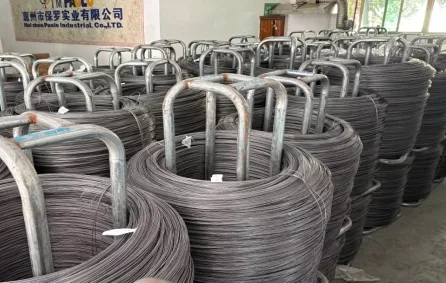 Steel Wire
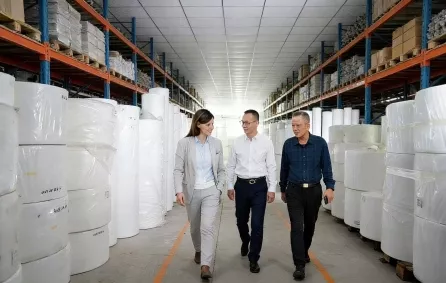 Non-woven Fabric
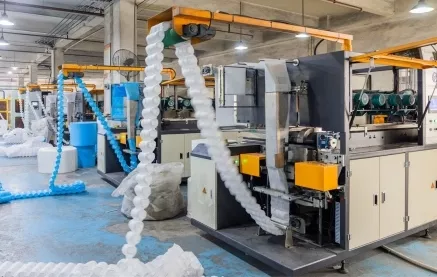 Spring Machine
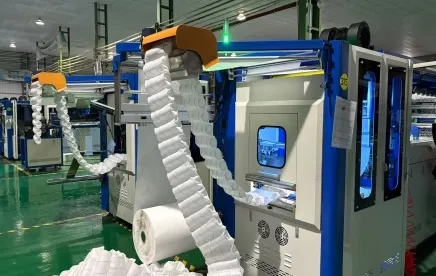 High Compression Spring Machine
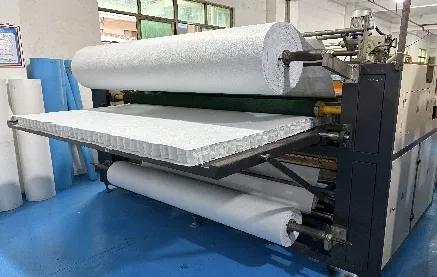 Adhesive
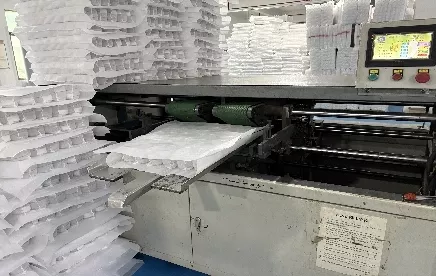 Edge Banding
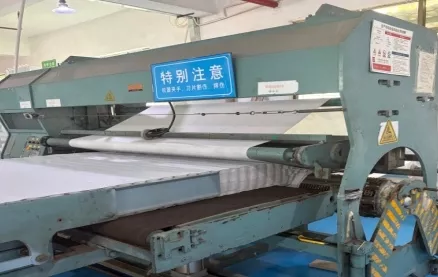 Compressed Roll Pack
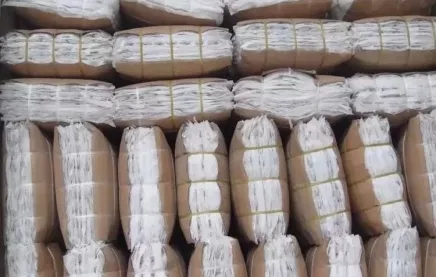 Bale Pressing
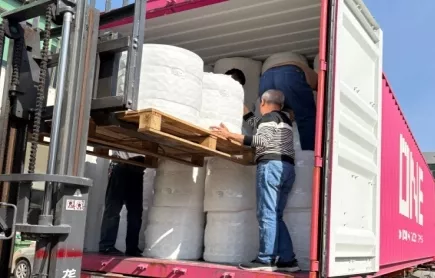 Shipment


Email:Info@paulmattress.com

Email:Paul@paulmattress.com
